Why Commercial Rodent Control Requires Specialized Solutions
Commercial rodent control requires specialized solutions that trained service providers can provide to effectively eliminate pests and prevent future infestations.
Understanding why commercial rodent control requires specialized solutions is essential for property owners facing rodent issues in business environments. Unlike residential settings, commercial properties often have complex layouts, valuable inventories, and strict health standards that demand targeted, effective strategies. Local service providers experienced in commercial rodent control are equipped to assess the unique challenges of each property, ensuring that the approach aligns with safety regulations and minimizes disruption to daily operations. Exploring this topic helps property owners recognize the importance of tailored solutions that go beyond generic methods, providing peace of mind that professionals can handle the situation efficiently and thoroughly.
For business owners and property managers in the area, addressing rodent problems promptly is crucial to protecting assets, maintaining a safe environment, and avoiding potential health hazards. Because commercial settings often require ongoing prevention measures and integrated pest management strategies, working with local contractors who specialize in commercial rodent control can make a significant difference. These experts understand the nuances of commercial spaces and can develop customized plans that effectively eliminate rodents while fitting the specific needs of each property. Continuing to explore this subject can help ensure that the right solutions are in place, safeguarding the property and its occupants.
- Commercial warehouse inspections - local contractors assess large storage facilities to identify rodent entry points and nesting areas, requiring tailored trapping and exclusion strategies.
- Food processing plants - service providers implement specialized methods to address the unique challenges of controlling rodents in environments with strict hygiene standards.
- Office buildings and retail spaces - local pros develop integrated pest management plans that consider high foot traffic and complex layouts to effectively reduce rodent populations.
- Manufacturing facilities - experts utilize customized solutions to manage rodents in industrial settings where standard methods may be insufficient for large-scale infestations.
- Food service establishments - service providers apply targeted approaches to meet health regulations and prevent rodent contamination in kitchens and dining areas.
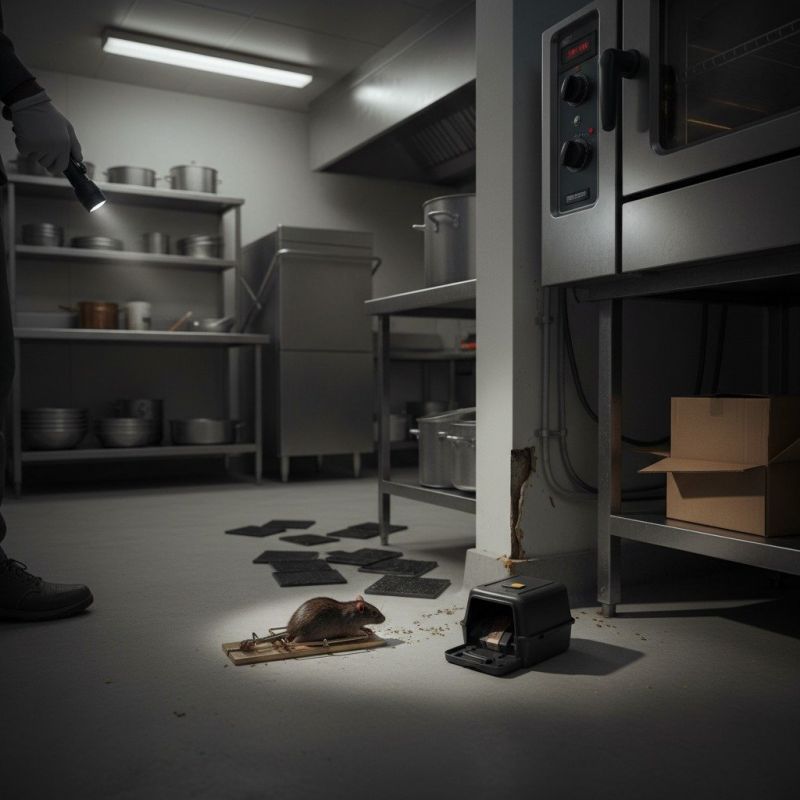
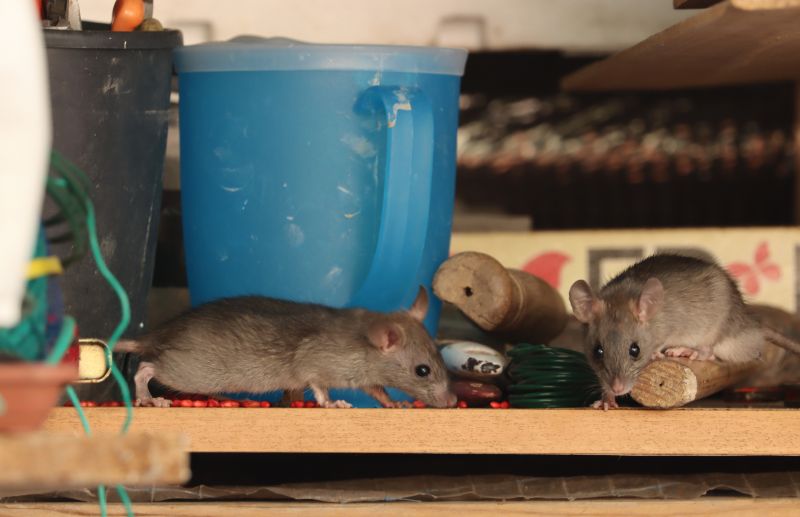
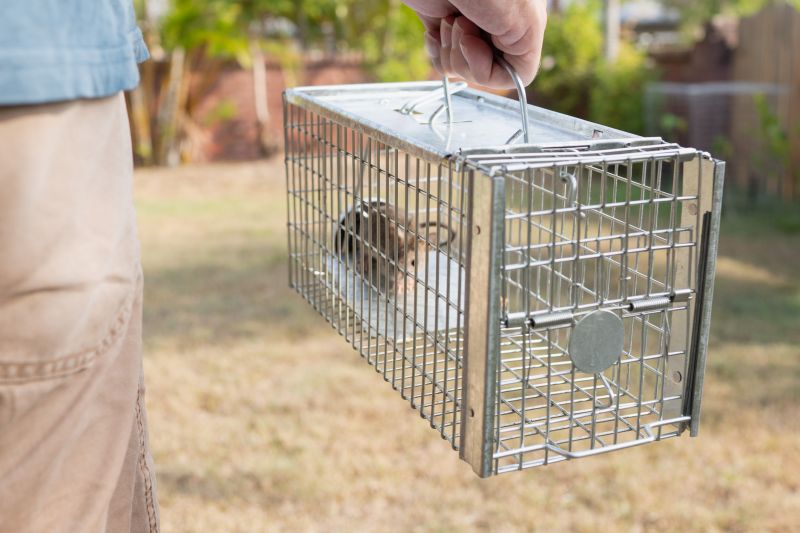
When people search for why commercial rodent control requires specialized solutions, they often want to understand what makes rodent management in business or industrial settings different from residential services. Typically, these searches stem from concerns about ongoing infestations, potential property damage, or health risks associated with rodents. Business owners or property managers may be facing persistent rodent activity that jeopardizes food safety, contaminates products, or damages infrastructure. They recognize that standard pest control methods used in homes might not be sufficient to address the unique challenges of commercial environments, prompting them to seek out experts who understand the complexities involved.
The problems related to commercial rodent control are often more complex than those encountered in residential settings. Commercial properties tend to have larger footprints, diverse layouts, and specialized equipment or storage areas that rodents can exploit. These spaces often require tailored strategies that go beyond simple baiting or trapping, such as detailed inspections to identify entry points, sanitation issues, and nesting sites. Additionally, businesses may need ongoing monitoring and integrated pest management plans to prevent future infestations. Local service providers who specialize in commercial rodent control are equipped to design and implement these comprehensive solutions, ensuring that the property remains protected and compliant with health regulations.
Properties that commonly come up in discussions about commercial rodent control include warehouses, food processing facilities, restaurants, grocery stores, manufacturing plants, and office complexes. These locations often have abundant food sources, storage areas, or structural features that attract rodents. For example, large storage rooms with pallets and packaging materials can provide ideal nesting sites, while food production areas require strict sanitation and pest-proofing measures. Because of the scale and complexity of these properties, addressing rodent issues effectively demands specialized knowledge and techniques. Local contractors who focus on commercial pest management understand how to navigate these environments, helping business owners implement solutions that are both effective and minimally disruptive to daily operations.
Understanding why commercial rodent control requires specialized solutions highlights the importance of working with experienced service providers who are familiar with the unique demands of different property types. These professionals bring expertise in identifying vulnerabilities, deploying targeted treatments, and establishing long-term prevention plans. For property owners, partnering with local contractors who focus on commercial pest management ensures that the specific challenges of their environment are addressed with tailored approaches. This not only helps resolve current infestations but also supports ongoing protection against future rodent problems, safeguarding the health, safety, and integrity of the business or facility.
Warehouse pest management - managing pests in large storage facilities requires targeted strategies similar to commercial rodent control, including specialized tools and planning to address complex environments.
Building inspection projects - conducting detailed assessments of commercial properties involves identifying entry points and structural vulnerabilities, skills applicable to effective rodent exclusion efforts.
Sanitation and waste management services - maintaining cleanliness and proper waste disposal is essential in controlling rodent attractants, paralleling the importance of strategic sanitation in rodent control programs.
HVAC and ventilation system services - ensuring proper airflow and sealing ductwork helps prevent rodent entry and nesting, aligning with the planning needed for effective pest exclusion.
Structural repair and sealing projects - sealing gaps, cracks, and entry points in buildings requires precision and planning similar to the work involved in rodent exclusion and control.
Commercial cleaning services - thorough cleaning reduces pest attractants and complements pest management efforts, requiring attention to detail and strategic planning comparable to rodent control solutions.
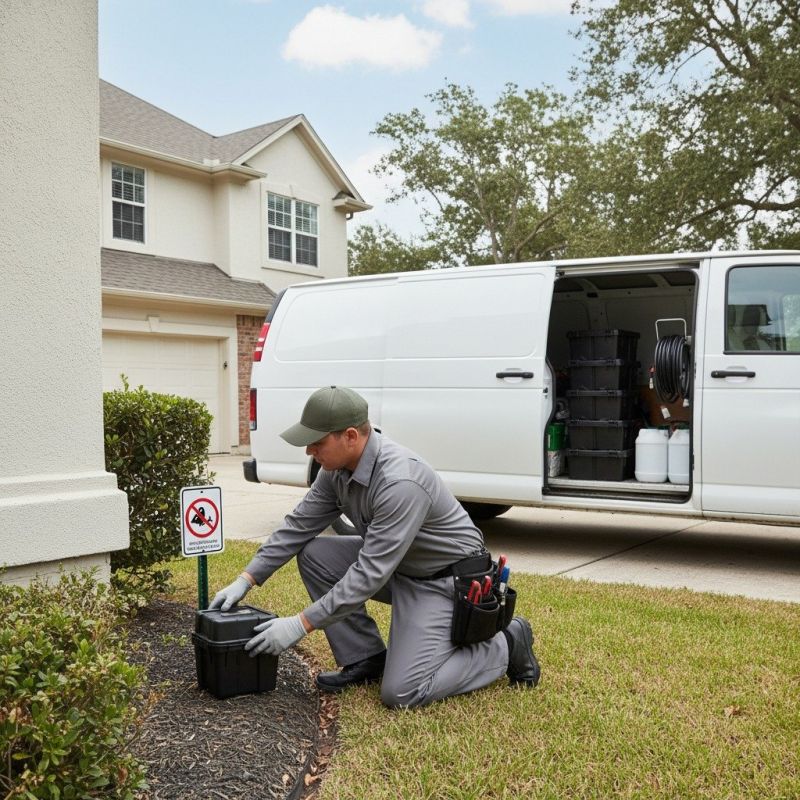
When evaluating local contractors for commercial rodent control, it’s important to consider their experience with similar projects. A contractor’s familiarity with the specific challenges faced by commercial properties ensures they understand the unique environments, potential entry points, and high-traffic areas that can influence effective rodent management. An experienced service provider will have a track record of handling situations comparable to the property's size, industry, and layout, which can contribute to more reliable and targeted solutions. Asking about past projects or seeking references can help gauge their level of expertise and confidence in managing complex rodent issues in commercial settings.
Clear written expectations are essential when comparing service providers for commercial rodent control. A reputable contractor should provide detailed descriptions of their approach, including inspection procedures, treatment methods, and follow-up plans. This transparency helps ensure that all parties share a common understanding of what the service entails and can prevent misunderstandings or unmet expectations later on. Service providers who communicate their process clearly demonstrate professionalism and a commitment to customer satisfaction, making it easier to assess whether their approach aligns with the specific needs of the property.
Reputable references and good communication are key factors when choosing local contractors for commercial rodent control. References from previous clients can offer insights into the contractor’s reliability, effectiveness, and responsiveness in handling similar projects. Additionally, a service provider who maintains open and prompt communication can better address questions, provide updates, and adapt to any evolving concerns during the process. Prioritizing these qualities helps ensure that the contractor will be responsive and transparent throughout the project, which is crucial for managing a complex issue like rodent control in a commercial environment.
Property owners often search for why commercial rodent control requires specialized solutions when they are planning practical projects around their homes and businesses. Local pros provide Commercial Rodent Control services for everyday jobs and straightforward project options.
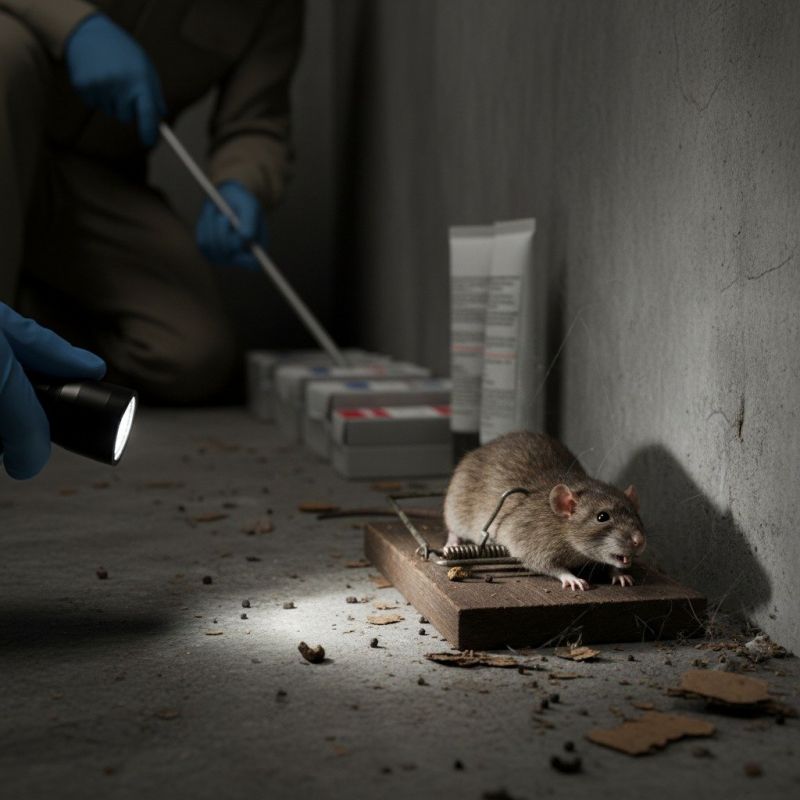

In many commercial properties, rodent infestations can quickly become a serious concern that requires more than basic pest control methods. Property owners often seek out specialized solutions when dealing with persistent rodent issues, especially in environments where food storage, processing, or high foot traffic are involved. Local contractors who focus on commercial rodent control understand the complexities of these situations, including the need for targeted strategies that address entry points, nesting areas, and ongoing prevention to protect business operations and maintain compliance.
Simple everyday situations, such as noticing droppings or hearing scratching sounds in storage areas, can prompt property owners to look for professional assistance. Commercial rodent control services offered by local experts are equipped to handle these challenges efficiently, using tailored approaches that go beyond generic methods. This specialization is essential for effectively managing rodent problems in a way that minimizes disruption to daily activities and ensures long-term results.
Why can't general pest control methods handle commercial rodent issues? Commercial rodent control requires specialized solutions because rodents can adapt to standard treatments, and commercial settings often have unique structural features that need targeted approaches. Local contractors understand these complexities and can tailor their strategies accordingly.
What makes commercial rodent control different from residential services? Commercial rodent control involves addressing larger infestations and complex environments, such as warehouses or food processing facilities, which demand specific techniques and equipment that local service providers are equipped to handle.
Why is it important to use specialized solutions in commercial settings? Specialized solutions are necessary to effectively eliminate rodents without disrupting business operations or risking contamination, and local contractors have the expertise to implement these approaches safely and efficiently.
How do local service providers ensure the effectiveness of commercial rodent control? Local contractors use knowledge of building structures, access points, and sanitation practices to develop comprehensive plans that effectively target rodent populations in commercial environments.
What risks are associated with using non-specialized rodent control methods commercially? Non-specialized methods may fail to fully address infestations, leading to recurring problems, or could cause disruptions to business activities, which is why specialized solutions from experienced service providers are recommended.
Understanding rodent behavior - property owners can work with local contractors to identify common rodent habits and entry points on their property.
Implementing targeted exclusion methods - property owners can collaborate with experts to seal gaps and block access points effectively.
Choosing appropriate trapping and baiting strategies - property owners can rely on specialists to select and place traps in high-activity areas.
Monitoring and ongoing management - property owners can establish regular inspections with local contractors to prevent future infestations.
If you are thinking about why commercial rodent control requires specialized solutions for a property, this guide is meant to help you understand this topic, the typical project types, and how different options might fit your plans.
When you are ready, you can use the quote form on this page to share a few details about your project. From there, local pros can review the basics and follow up with options that match what you have in mind.