Get Termite Inspection Service
Termite inspection services help property owners identify and address termite infestations to prevent structural damage and ensure property safety.
Property owners in the area who are planning renovations, purchasing new properties, or maintaining existing structures may find termite inspection services to be an essential step in safeguarding their investments. Detecting termite activity early can prevent extensive damage and help ensure that properties remain structurally sound. Exploring options for local contractors who specialize in termite inspections can provide valuable insights into the most effective methods for identifying and addressing potential issues before they become costly problems.
For those considering ongoing property maintenance or preparing for future projects, comparing local service providers can help identify experienced professionals equipped to perform thorough inspections. Access to a range of local contractors allows property owners to evaluate different approaches and select the services that best align with their specific needs. Continuing to read can provide useful information about how to connect with qualified experts in the area who can assist with comprehensive termite inspection services.
- Residential Property Inspection - homeowners may need a termite inspection when buying or selling a house.
- Commercial Building Check - businesses often require termite evaluations to protect their property investments.
- Pre-Construction Inspection - new construction projects might need termite assessments before development begins.
- Infestation Investigation - property owners suspect termite activity and want to confirm or rule out an infestation.
- Annual Maintenance Review - regular inspections can help detect early signs of termite activity in existing structures.
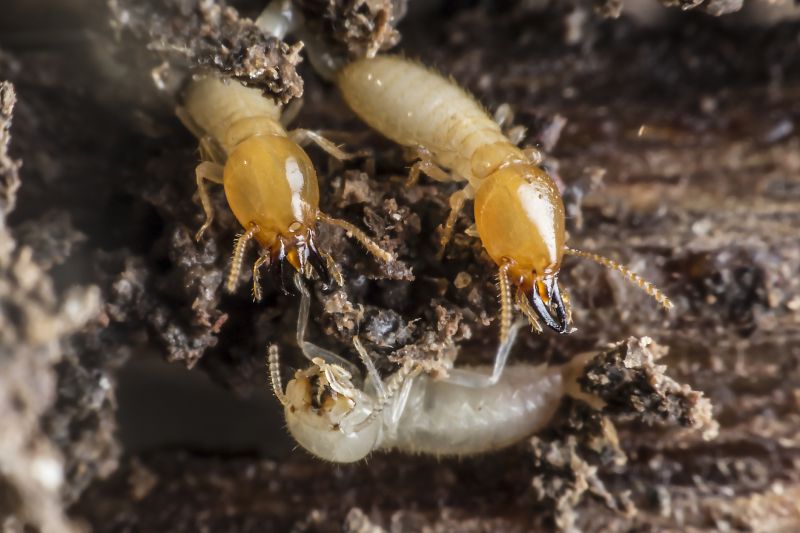
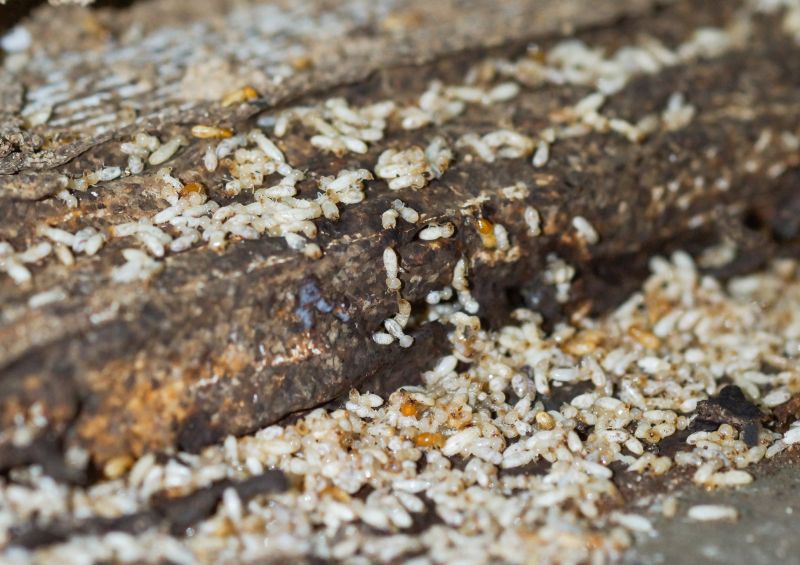
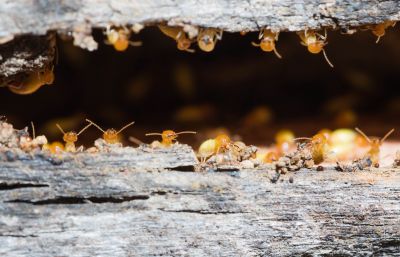
Termite inspection services involve a thorough assessment of a property to identify the presence of termites or signs of previous infestations. Trained service providers examine key areas such as the foundation, wooden structures, crawl spaces, and other susceptible parts of the property. The inspection often includes looking for evidence like mud tubes, damaged wood, or discarded wings, which can indicate active or past termite activity. Regular inspections can help homeowners detect potential problems early, preventing extensive damage and costly repairs down the line.
These services are essential for solving problems related to unseen termite activity that can compromise the structural integrity of a property. Termites feed on wood and cellulose materials, which makes infestations difficult to detect without professional help. Early detection through inspections allows for timely treatment options, helping to prevent issues such as weakened walls, sagging floors, or compromised support beams. Addressing termite problems promptly can save homeowners from significant expenses and ensure the safety and stability of their homes.
Termite inspection services are commonly used for a variety of property types, including single-family homes, townhouses, and multi-unit residential buildings. They are also frequently requested for commercial properties, especially those with wooden structures or stored materials that could attract termites. Homeowners often schedule inspections during real estate transactions to meet lender or buyer requirements, or periodically as part of routine property maintenance. Any property with wooden components or signs of previous pest issues may benefit from regular inspections to maintain its condition.
Homeowners who notice signs of termite activity, such as small holes in wood, discarded wings, or mud tubes along walls and foundations, should consider scheduling an inspection. Additionally, properties located in areas known for termite activity or with a history of pest problems are good candidates for routine checks. Regular inspections can help identify issues before they escalate, providing peace of mind and protecting the value of the property. Connecting with local contractors experienced in termite inspections ensures that a thorough and accurate assessment is performed.
The overview below groups typical Termite Inspection Service projects into broad ranges so you can see how smaller, mid-sized, and larger jobs often compare in your area.
In many markets, a large share of routine jobs stays in the lower and middle ranges, while only a smaller percentage of projects moves into the highest bands when the work is more complex or site conditions are harder than average.
Smaller Repairs - Many routine termite inspections and minor treatments typically cost between $250 and $600. Most common jobs fall within this range, covering basic inspections and localized treatments.
Standard Treatments - For standard termite control and prevention services, local contractors often charge between $600 and $1,200. Larger or more complex properties may push costs above this range.
Full Property Inspection - Comprehensive inspections for larger homes or properties with extensive infestations can range from $1,200 to $2,500. These projects are less common but necessary for thorough assessments.
Full Replacement or Extensive Projects - Larger, more complex projects such as full property treatments or structural replacements can reach $5,000 or more. These are typically reserved for severe or widespread infestations and are less frequent.
Actual totals will depend on details like access to the work area, the scope of the project, and the materials selected, so use these as general starting points rather than exact figures.
Wood-destroying insect inspections - professionals assess properties for signs of termite activity and other wood-boring pests, utilizing similar inspection tools and techniques.
Structural pest inspections - local contractors evaluate building frameworks for pest damage, requiring careful planning and detailed visual assessments akin to termite inspections.
Moisture intrusion testing - specialists identify areas of excess moisture that can attract termites, involving tools and methods that complement termite detection processes.
Pre-purchase property inspections - inspectors conduct comprehensive evaluations of properties, including pest and termite assessments as part of overall building health checks.
Damage assessment for wood rot and decay - experts analyze wood deterioration caused by pests or moisture, requiring similar skills in identifying structural vulnerabilities.
Foundation and crawl space inspections - contractors examine these areas for conditions conducive to termite infestations, utilizing inspection techniques comparable to termite service assessments.

When comparing service providers for termite inspection services, it’s important to consider their experience with similar projects. Homeowners should look for local contractors who have a proven track record of handling properties comparable to their own, whether that involves single-family homes, multi-unit buildings, or older structures. An experienced provider is more likely to understand common issues specific to the area and be familiar with effective inspection techniques, which can contribute to a thorough assessment and reliable results.
Clear written expectations are another key factor in choosing the right local pros. Homeowners should seek providers who can clearly outline what the inspection will include, what areas will be examined, and what the next steps might be if issues are found. Having this information in writing helps ensure everyone is on the same page and reduces misunderstandings. It also provides a basis for evaluating the professionalism of the contractor and their ability to communicate effectively throughout the process.
Reputable references and good communication are essential when selecting local contractors for termite inspections. Homeowners can ask for recommendations or reviews from past clients to gauge the quality of service and reliability. Additionally, providers who are responsive and transparent in their communication tend to be more dependable and easier to work with. Ultimately, the goal is to find service providers who are knowledgeable, clear in their explanations, and easy to contact, making the inspection process straightforward and trustworthy.
Property owners use Termite Inspection Service services for practical projects around their homes and businesses. This guide focuses on everyday jobs and straightforward project options.
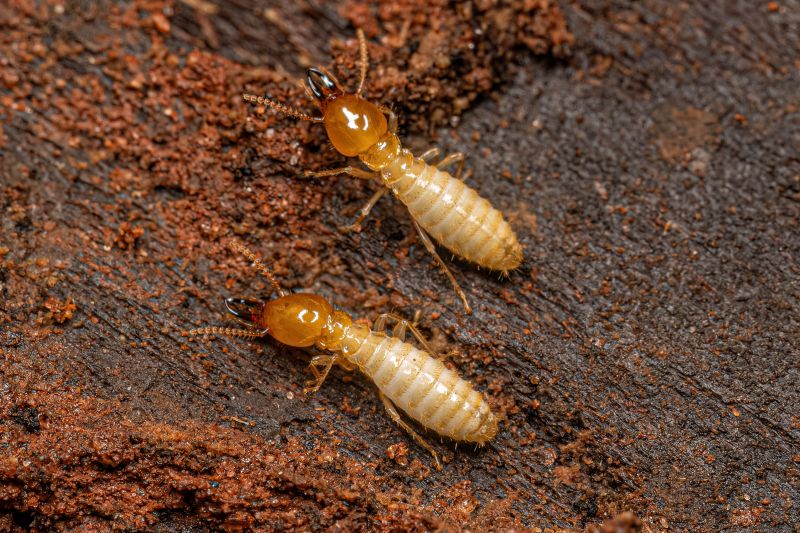
Termite inspection services are commonly sought by property owners who notice signs of potential infestations, such as damaged wood or discarded wings around the property. Homeowners and business owners alike may look for these services when preparing for a sale, purchasing a new property, or simply wanting to ensure their structures remain protected from unseen threats. Local contractors specializing in termite inspections can provide thorough evaluations to identify early signs of infestation, helping property owners address issues before they become costly repairs.
In everyday situations, property owners might request termite inspections after experiencing unusual wood damage, or as part of routine maintenance to prevent future problems. Many seek out local service providers to gain peace of mind, especially when planning renovations or after discovering previous pest issues. These professionals can assess the property’s vulnerability, recommend appropriate actions, and help maintain the structural integrity of homes and commercial buildings.
What is involved in a termite inspection? A termite inspection typically includes a thorough examination of the property’s foundation, walls, and accessible areas to identify signs of termite activity or damage. Local contractors use specialized tools and methods to assess potential infestation risks.
How often should a termite inspection be performed? It is recommended to have a termite inspection conducted regularly, especially if the property is in an area prone to termite activity or has had previous issues. Many experts suggest annual inspections for ongoing protection.
What are common signs of a termite infestation? Signs can include mud tubes on walls or foundations, discarded wings near windows or doors, damaged wood that sounds hollow, or visible termite colonies. Local service providers can help identify these indicators during an inspection.
What areas are typically checked during a termite inspection? Inspections usually focus on the foundation, basement, crawl spaces, attics, and areas where wood contacts soil. These are common spots where termites may establish colonies or cause damage.
Why should I hire a professional for termite inspection? Professionals have the experience and tools to accurately detect termite activity and assess the extent of any damage, helping to determine the most effective treatment options if needed.
Preventative Maintenance - Regular termite inspections can help property owners catch early signs of infestation before significant damage occurs.
Pre-Purchase Inspection - Homebuyers can use termite inspections as part of the purchasing process to identify potential issues before finalizing a sale.
Property Management - Landlords and property managers can schedule routine inspections to maintain property value and prevent costly repairs.
Post-Construction Check - New construction projects can include termite inspections to ensure the building is free of pests before occupancy.
If you are thinking about Termite Inspection Service for a property, this guide is meant to help you understand the work, the typical project types, and how different options might fit your plans.
When you are ready, you can use the quote form on this page to share a few details about your project. From there, local pros can review the basics and respond with options that match what you have in mind.