How Rodents Contaminate Food Storage Areas and Pantries
Local contractors specializing in rodent removal can help prevent contamination of food storage areas and pantries by safely eliminating pests and securing your space.
If you’ve been searching for insights on how rodents contaminate food storage areas and pantries, you’re in the right place. Property owners in the area often find themselves concerned about the health and safety risks posed by rodents invading their food supplies. Understanding how these pests can compromise food storage helps highlight the importance of effective prevention and removal strategies. Local contractors specializing in rodent removal are equipped to address these issues, helping to protect your food and maintain a clean, safe environment.
Exploring this topic can reveal practical reasons to seek professional assistance, such as identifying entry points, eliminating hiding spots, and ensuring rodents are thoroughly removed. Rodents can carry bacteria and leave droppings that contaminate surfaces and food items, creating potential health hazards. Connecting with experienced service providers can ensure these pests are managed effectively, reducing the risk of contamination and safeguarding your pantry spaces. Keep reading to learn more about how local experts can help maintain a rodent-free environment in your property.
- Rodent exclusion - when food storage areas are infested, local contractors can seal entry points to prevent rodents from contaminating supplies.
- Sanitation and cleanup - after rodent activity is detected, service providers can thoroughly clean and disinfect affected pantry and storage spaces.
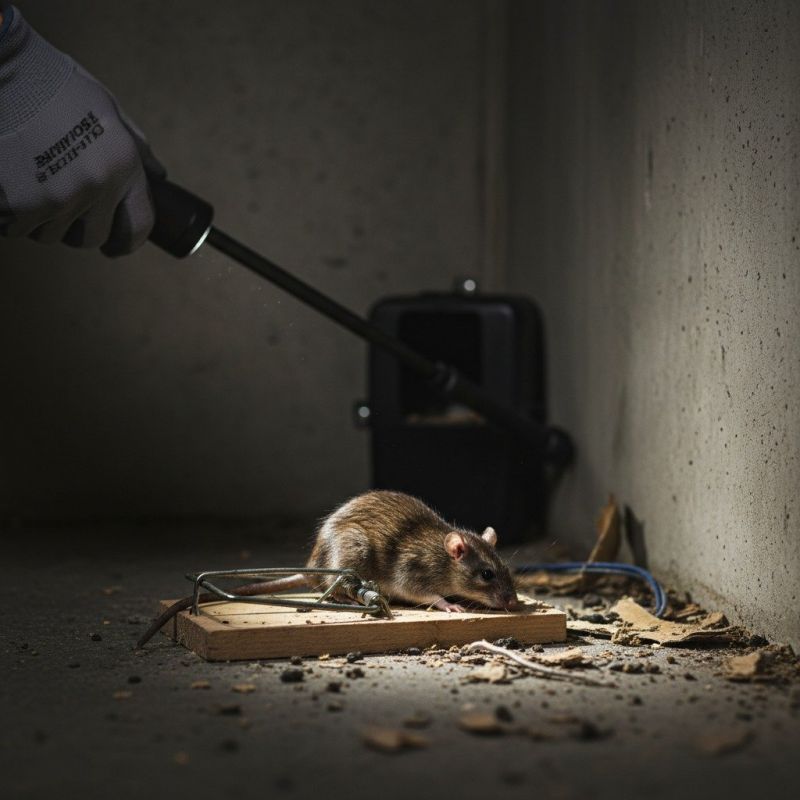
- Rodent trapping and removal - if rodents are present in food storage areas, local pros can set traps and remove pests to stop contamination.
- Inspection services - to identify potential entry points and signs of rodent activity that could lead to food contamination, professionals conduct detailed assessments.
- Preventative pest management - ongoing services help maintain food storage areas free from rodents, reducing the risk of future contamination.
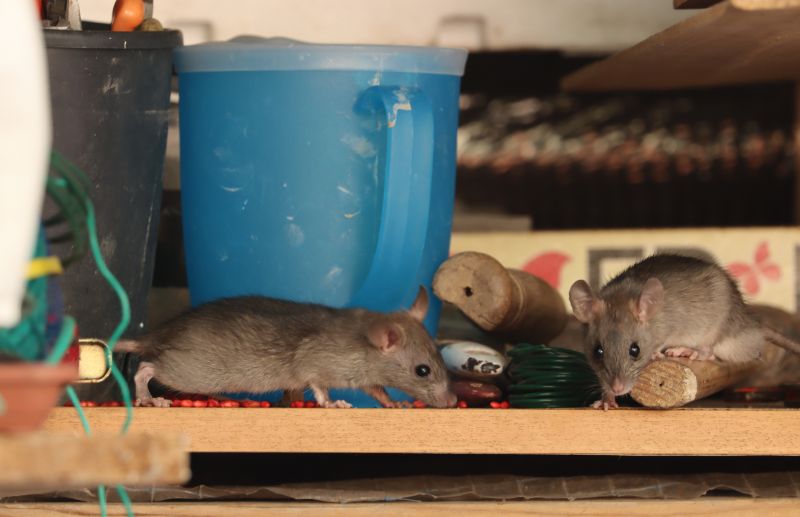
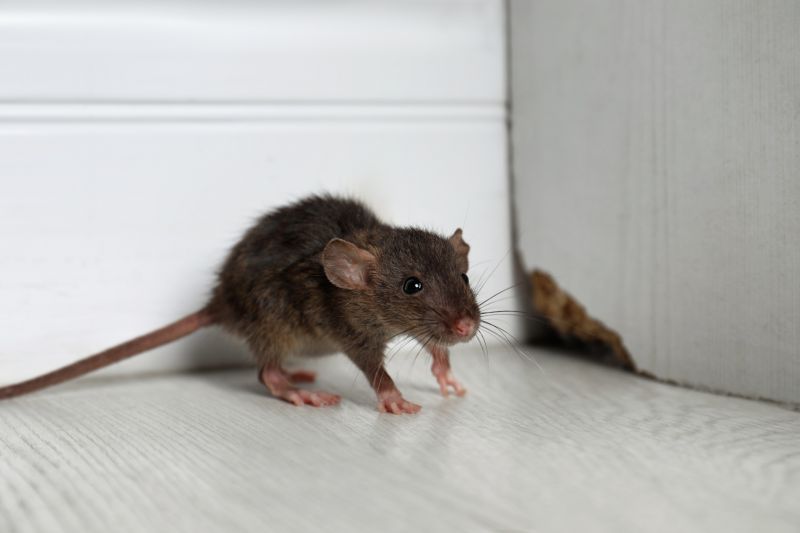
When people search for information about how rodents contaminate food storage areas and pantries, they are often concerned about the health risks and cleanliness issues that come with rodent infestations. This topic typically relates to problems such as spoiled food, the spread of bacteria and parasites, and the potential for property damage. Homeowners may be planning to improve their food storage practices or dealing with ongoing pest issues, prompting them to seek guidance on how rodents access and taint their food supplies. Understanding the ways rodents contaminate these spaces helps homeowners recognize the importance of prompt and effective pest control measures to protect their health and property.
The concern over contamination often ties into broader plans for pest prevention and property maintenance. Many property owners want to ensure their kitchens, pantries, and storage areas remain clean and safe from rodent intrusion. This involves identifying vulnerabilities in storage setups, such as gaps in walls or poorly sealed containers, and implementing strategies to block access points. When contamination occurs, it may lead to efforts to thoroughly clean and sanitize affected areas, or even replace contaminated food supplies. Local contractors specializing in rodent removal can assist with both eliminating pests and advising on how to prevent future contamination, making their services a key part of maintaining a safe food storage environment.
Properties most commonly affected by rodent contamination include residential homes, especially those with accessible food storage spaces like pantries, basements, and garages. Multi-family dwellings, such as apartments and condos, are also at risk due to shared walls and common storage areas. Additionally, small commercial properties like grocery stores, food pantries, and restaurants can experience contamination issues if rodents gain entry. These properties often contain large quantities of stored food, making them attractive targets for rodents seeking shelter and nourishment. Connecting with local service providers who specialize in rodent removal can help property owners address infestations quickly and prevent further contamination, safeguarding both health and inventory.
Understanding how rodents contaminate food storage areas and pantries is essential for homeowners and property managers alike. It highlights the importance of routine inspections, proper food storage practices, and timely pest control interventions. Local pros experienced in rodent removal can evaluate property vulnerabilities, implement effective exclusion techniques, and thoroughly eliminate existing infestations. Their expertise supports efforts to keep food storage spaces clean, safe, and free from contamination risks. For anyone noticing signs of rodent activity or concerned about potential contamination, reaching out to local service providers can be a practical step toward protecting food supplies and maintaining a healthy living or working environment.
Pest Inspection Services - Professionals who conduct detailed pest inspections can identify signs of rodent activity and contamination risks in food storage areas and pantries.
Wildlife Exclusion Projects - These projects involve sealing entry points and preventing rodents from accessing food storage spaces, reducing contamination hazards.
Rodent Proofing Services - Experts specialize in rodent-proofing buildings, which is essential for maintaining sanitary food storage environments and preventing contamination.
Storage Facility Sanitization - Service providers offer cleaning and sanitization of storage areas to eliminate rodent droppings and contaminants that pose health risks.
Structural Repair and Sealing - Contractors repair and seal structural vulnerabilities that rodents may exploit to access food storage and pantry areas.
Food Storage Safety Assessments - These assessments help identify potential contamination points caused by rodents, guiding effective prevention and cleanup efforts.
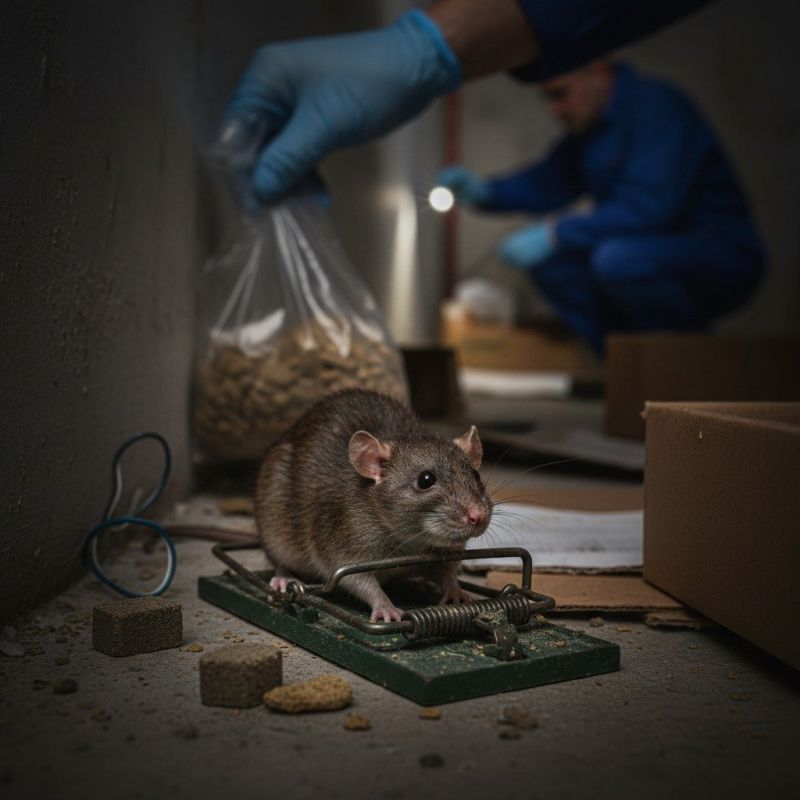
When comparing service providers for rodent removal, it is important to consider their experience with similar projects, particularly those involving food storage areas and pantries. A contractor with a proven track record in handling rodent infestations in environments where food safety is a concern can demonstrate familiarity with the unique challenges these situations present. Homeowners should inquire about the types of properties the contractor has worked on and ask for examples of previous projects that involved food contamination issues, ensuring they have the necessary expertise to address the specific risks associated with rodents in food storage spaces.
Clear written expectations are essential when evaluating local contractors for rodent removal services. A reputable service provider should be able to outline the scope of work, including inspection procedures, targeted removal methods, and follow-up measures to prevent future infestations. Having detailed, written information helps homeowners understand what services will be performed and sets a transparent foundation for the project. This clarity ensures that both parties agree on the process and helps prevent misunderstandings or unmet expectations during the course of the work.
Reputable references and effective communication are key factors when choosing a contractor. Service providers with positive references from previous clients can offer insights into their reliability and the quality of their work, especially in situations involving food contamination concerns. Additionally, responsive and clear communication from the contractor indicates professionalism and a commitment to customer service, making it easier for homeowners to ask questions and stay informed throughout the project. These qualities contribute to a smoother experience and increased confidence that the rodent removal will be handled thoroughly and appropriately.
Property owners often search for how rodents contaminate food storage areas and pantries when they are planning practical projects around their homes and businesses. Local pros provide Rodent Removal services for everyday jobs and straightforward project options.


Rodents are notorious for contaminating food storage areas and pantries through their habits of gnawing, scavenging, and nesting. They often gain access through small openings, and once inside, they can leave droppings, urine, and hair in places where food is stored or prepared. This contamination not only spoils food but also introduces potential health risks, such as the spread of bacteria and parasites. Property owners who notice signs of rodent activity or are concerned about their food safety may seek out local contractors specializing in rodent removal to address these issues effectively.
In many everyday project situations, property owners might find it necessary to prevent rodents from accessing their food storage spaces altogether. Simple reasons include maintaining a clean and hygienic pantry environment and avoiding the risk of foodborne illnesses. Local service providers can assess the property, identify entry points, and implement targeted removal and exclusion strategies. Connecting with experienced rodent removal specialists can help ensure that food storage areas remain safe and free from contamination caused by these pests.
How do rodents contaminate food storage areas and pantries? Rodents can introduce bacteria, viruses, and parasites through their droppings, urine, and fur, contaminating stored food and surfaces in pantries and food storage areas.
What signs indicate rodents have contaminated my food storage areas? Signs include droppings, gnaw marks on packaging, a strong odor, and sightings of rodents or their nests near stored food.
How can local contractors help prevent rodent contamination in food storage areas? They can inspect for entry points, set traps or bait stations, and recommend sealing gaps to prevent rodents from accessing food storage spaces.
Why is it important to address rodent contamination promptly? Prompt action helps prevent the spread of disease, further contamination of food supplies, and damage to storage structures caused by rodent activity.
What measures do rodent removal service providers use to protect food storage areas? They typically use trapping, baiting, and exclusion techniques to eliminate rodents and secure the area against future infestations.
Seal entry points - identifying and closing gaps in walls and foundations can prevent rodents from accessing food storage areas and pantries.
Implement proper storage practices - using airtight containers and elevated shelving helps reduce food contamination risks caused by rodents.
Maintain cleanliness - regular cleaning of pantry spaces removes food debris that attracts rodents and encourages infestation.
Schedule professional inspections - experienced service providers can assess and address rodent entry and contamination issues effectively.
If you are thinking about how rodents contaminate food storage areas and pantries for a property, this guide is meant to help you understand this topic, the typical project types, and how different options might fit your plans.
When you are ready, you can use the quote form on this page to share a few details about your project. From there, local pros can review the basics and follow up with options that match what you have in mind.